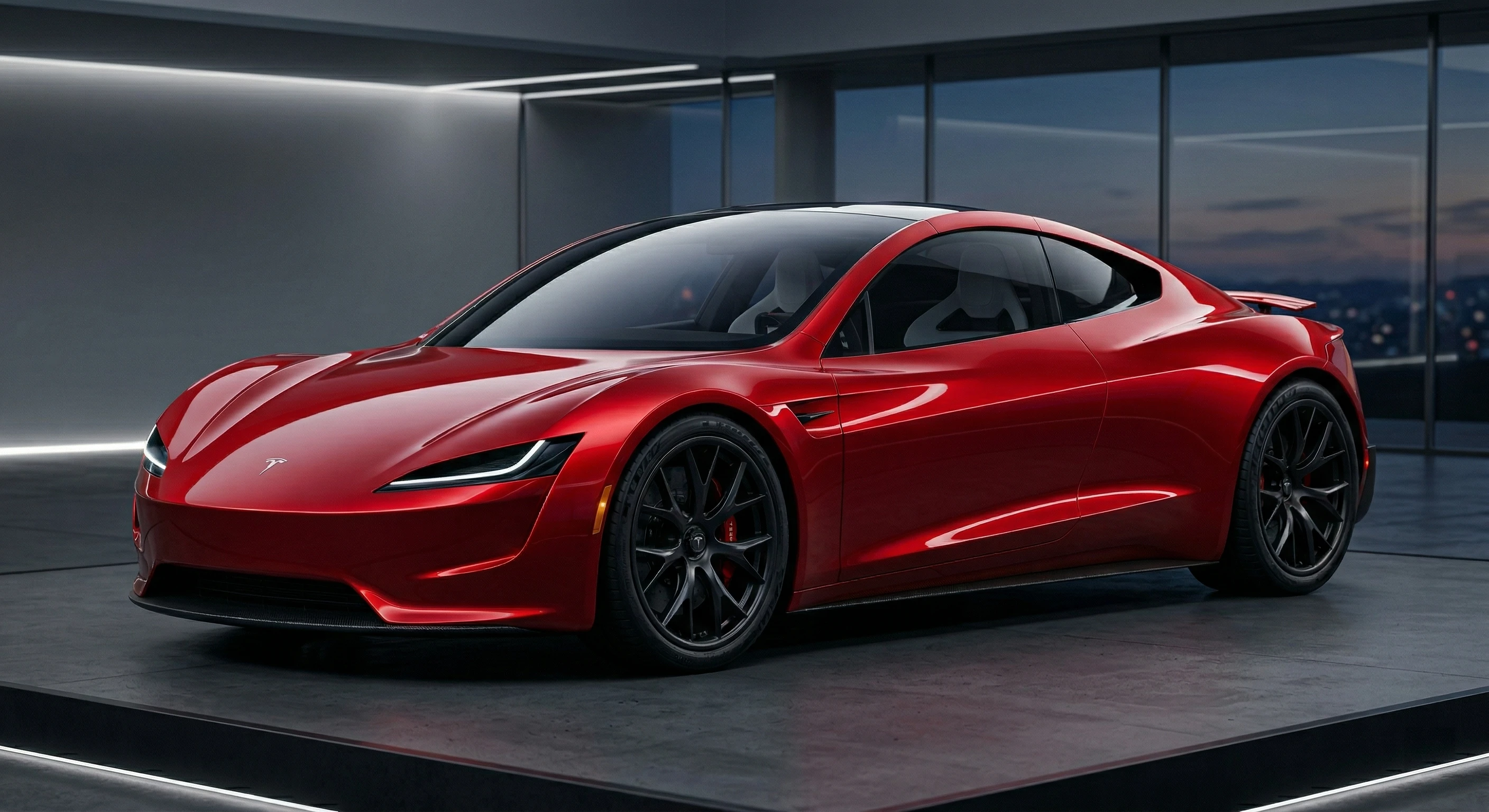
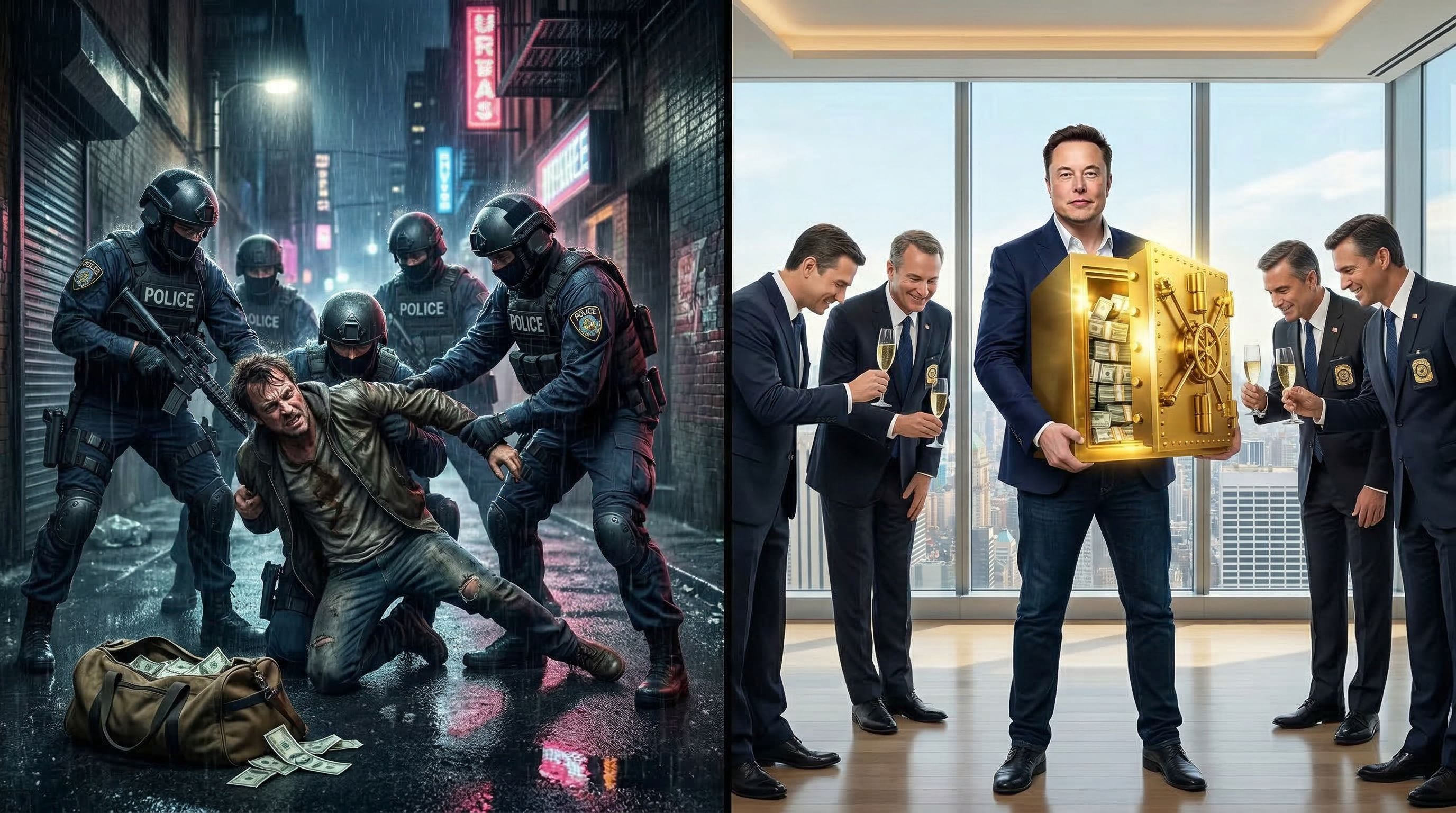
If you or I walked up to a client, took a $250,000 wire transfer for a product, and spent the next nine years missing every single delivery deadline, we wouldn’t be giving visionary keynotes. We would be sitting in a federal holding cell, indicted by the DOJ for wire fraud. The fiat matrix has zero tolerance for retail grifters. But if you have the right legal architecture? Stealing a quarter-million dollars isn't a federal crime. It’s just "engineering friction."
Welcome to the ultimate manifestation of the Safe Harbor Vaporware Exploit.
Welcome to the Roadster illusion.
The 2017 Elon Musk Bank Robbery
Rewind the grid to November 2017. The oligarch rolls a sleek, aerodynamic prototype out the back of a semi-truck. The lights flash, the cyberpunk synth drops, and he announces the second-generation Tesla Roadster.
The promised specs were physically staggering: a 1.9-second 0-60 mph sprint, a 620-mile range, and a top speed over 250 mph. He looked directly into the cameras and told the world it was arriving in 2020.
But the real payload wasn't the car. It was the capital extraction event that immediately followed.
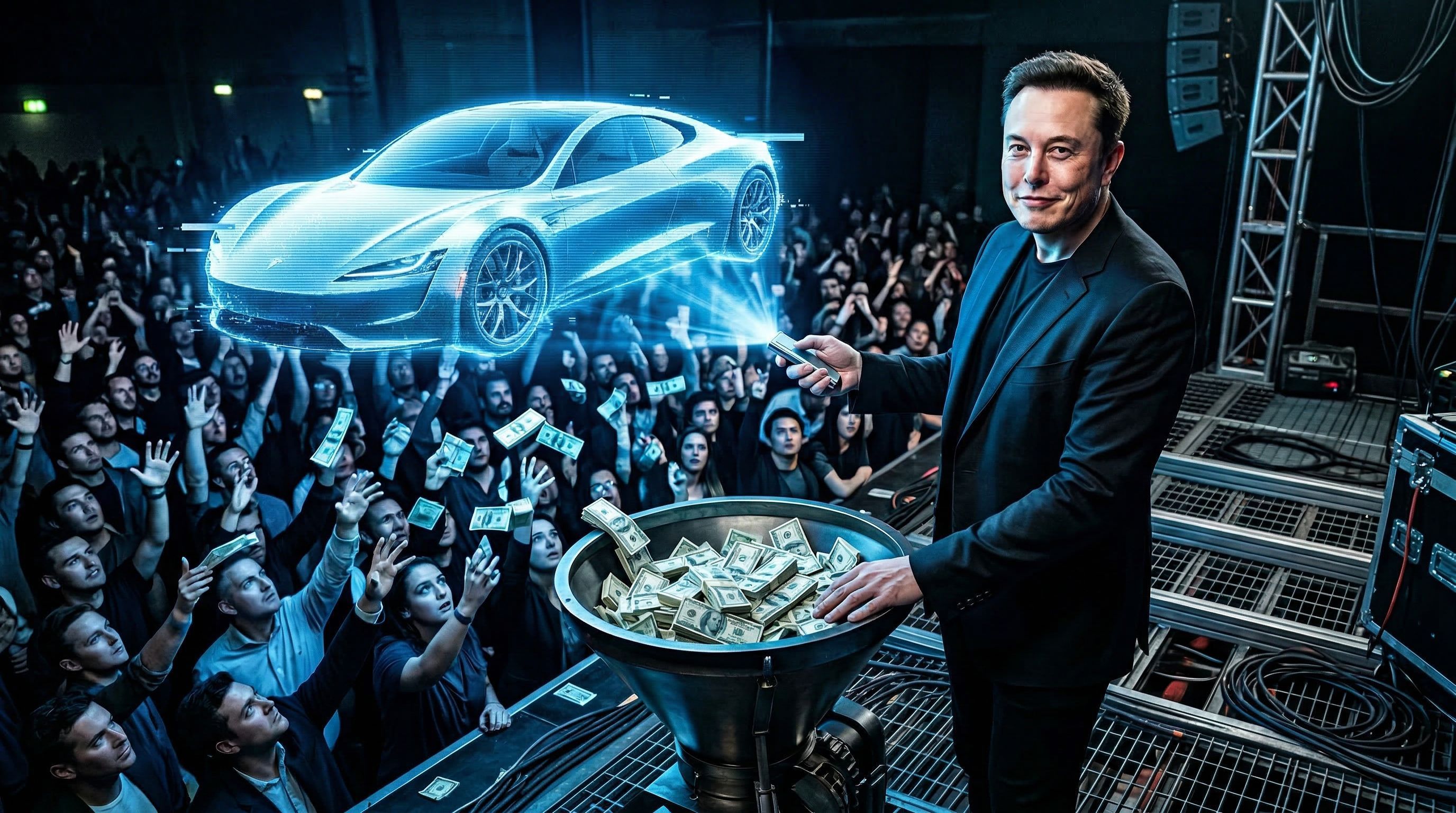
He opened the gates for pre-orders. Retail operators dropped $50,000 just to hold a place in line. The true believers—the ones fully hypnotized by the reality distortion field—wired $250,000 in hard, liquid cash upfront for the "Founders Series." He didn't just sell a car. He crowdfunded a massive, multi-million-dollar, interest-free loan directly from his own cult.
The Asymmetry of the Float Look at the raw math. In the high-velocity financial grid, capital has mass, and it generates gravity. It’s called "the float."
When you hold onto millions of dollars of customer cash for almost a decade, you don't just possess the principal; you capture the yield. Through massive inflation spikes, soaring interest rates, and global market rallies, the corporation held that capital, weaponized it for other ventures, and paid exactly zero percent interest to the people who wired it.
If a traditional bank pulled that maneuver, the SEC would dismantle them by sunset. But under the Safe Harbor shield? It's just a visionary tech company experiencing supply chain hurdles.
How do you prevent the DOJ from classifying a missed delivery as a fraudulent Ponzi scheme?
You don't apologize. You don't scale back. You make the hallucination even bigger. When 2020 came and went with no car, the oligarch didn't admit defeat. He moved the goalpost and deployed a sci-fi decoy. He casually tweeted that the Roadster was being delayed because they were engineering a "SpaceX package" that would strap literal cold-gas rocket thrusters to the chassis.
He implied the car wouldn't just drive; it would hover.
This is the absolute genius of the Safe Harbor exploit.
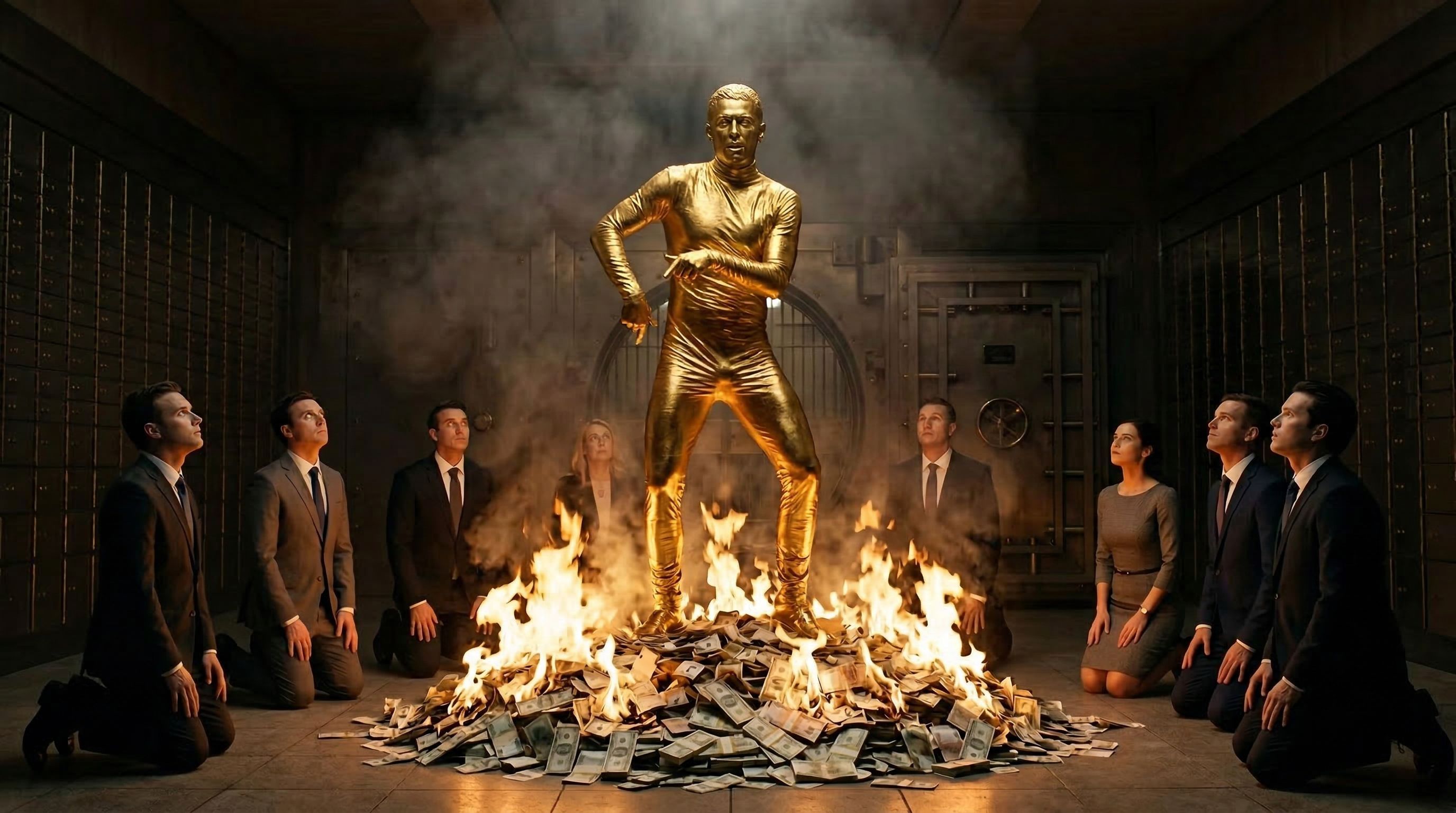
By injecting an utterly absurd, hyper-futuristic feature into the timeline, he resets the legal clock. The SEC can't prosecute him for missing the 2020 deadline, because now his engineers are theoretically in a lab trying to figure out how to put rocket boosters on a street-legal coupe. It stops being a missed deadline and becomes an "unprecedented engineering challenge."
The Safe Harbor provision covers it completely.
The Infinite Hype Loop
Here we are in March 2026. A full nine years after the initial wire transfers cleared. Just a few days ago, the oligarch sent another tweet pushing the "unveil" from his previously promised April Fool's Day joke date to "probably in late April." The hype cycle spins again. The media writes the headlines.
The believers defend the delay. Despite the fact Elon Musk was just charged for misleading investors when purchasing Twitter. Tesla Investors for some reason still believe in their fearless leader. It's madness snd the SEC doesn't even blink.
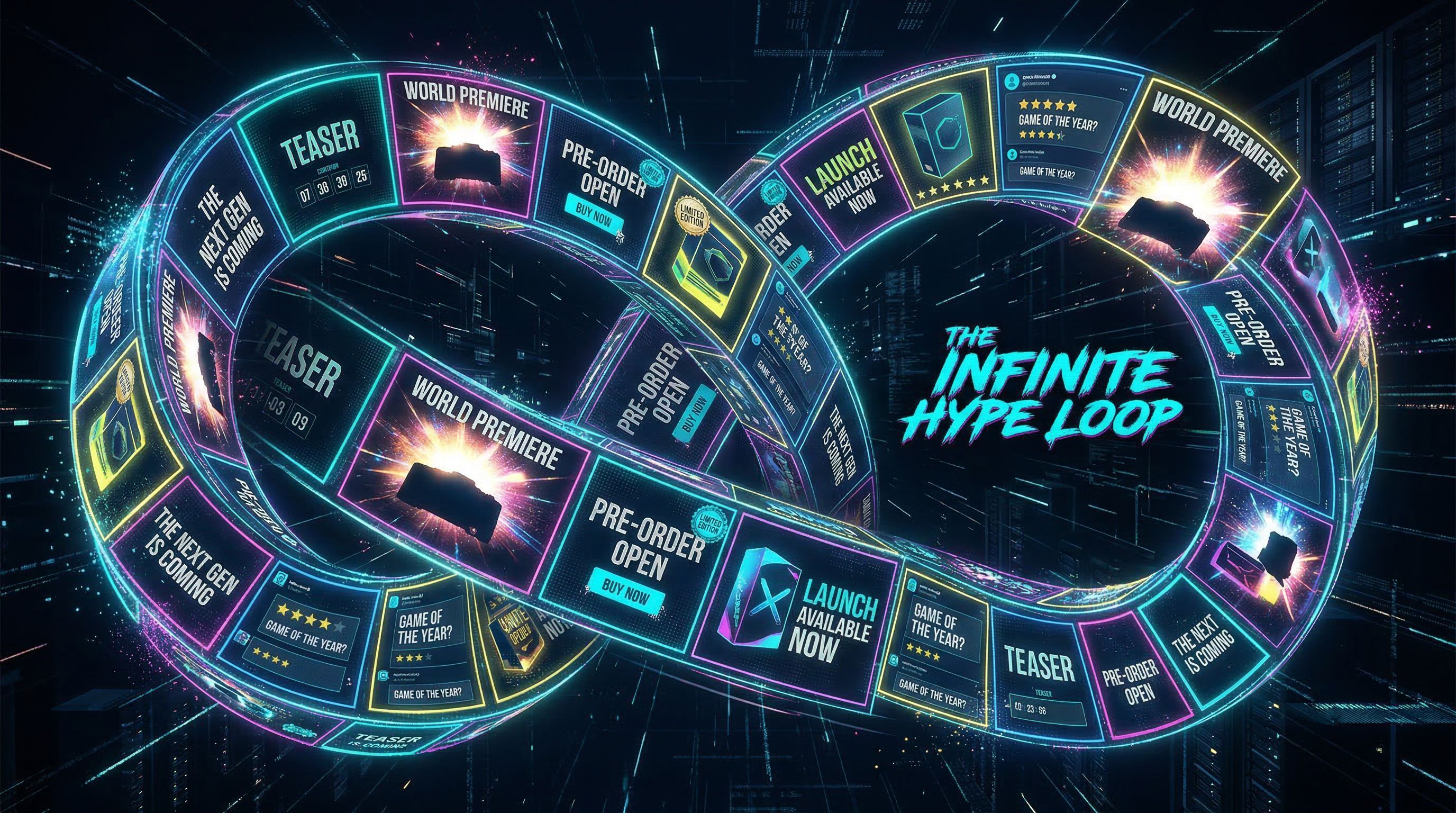
He gets to keep the capital. He gets to keep the interest. He gets to keep the illusion. The Safe Harbor provision ensures that the billionaire gets paid for the dream, while the retail operator pays for the reality.
:max_bytes(150000):strip_icc():focal(749x0:751x2)/sophie-rain-only-fans-011326-e3b2bd4490944c9dadf908e6791abdf2.jpg)