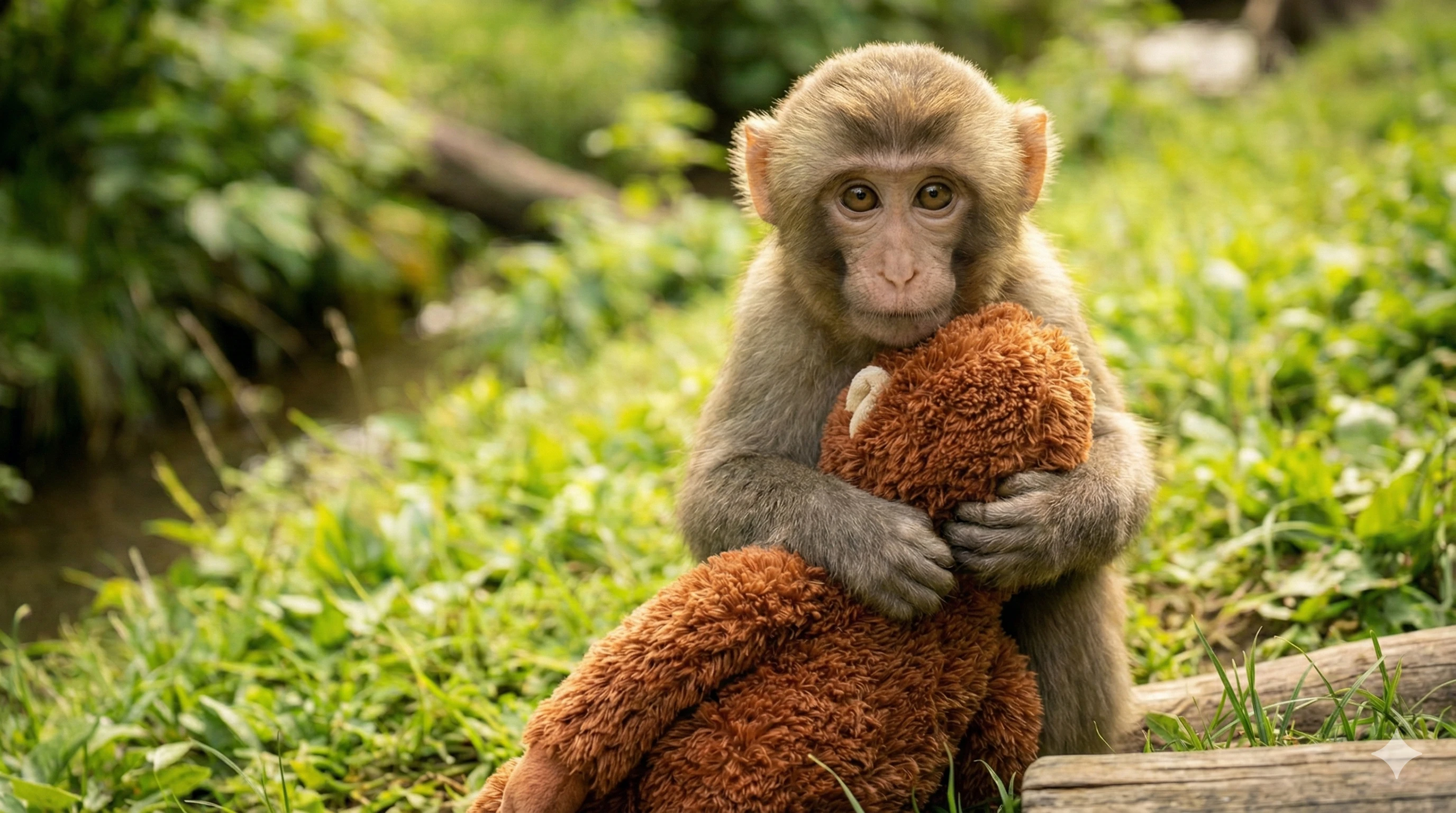
The Plush Mama Revolution: How a $30 Stuffed Toy is Rewriting Primate Psychology and Why Every Zoo on Earth Should Be Taking Notes
Let’s get one thing straight.
We’ve been sold a story. A beautiful, heartwarming, and completely *incorrect* story.
For decades, the gospel of “natural parenting” has been unchallenged. The mantra? For a baby animal; especially a social primate to thrive, it *must* have its biological mother. Without that sacred bond, we’re told, the child is doomed to a life of anxiety, poor social skills, and psychological scarring.
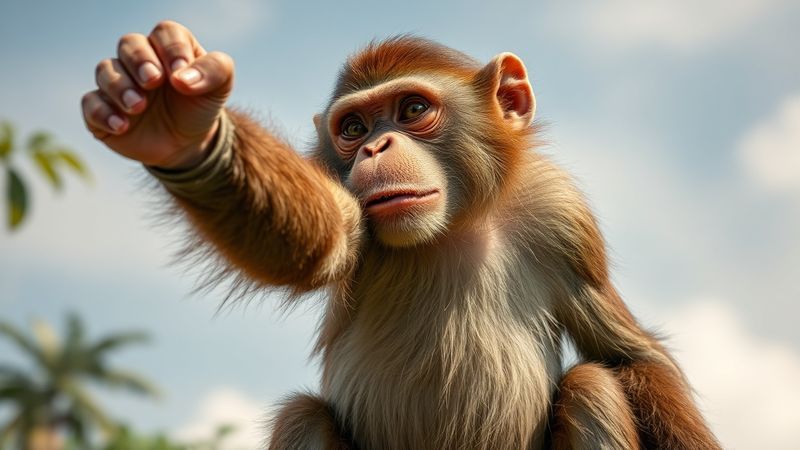
It’s a powerful narrative.
But what if it’s not just incomplete… but *wrong*?
What if the key to creating a happier, more socially adept primate wasn’t a complex, unpredictable living being, but a simple, predictable, and endlessly patient *object*?
Buckle up.
Because a baby monkey named Punch-kun and a fluffy IKEA orangutan are about to blow the lid off everything we thought we knew. And the implications are staggering.
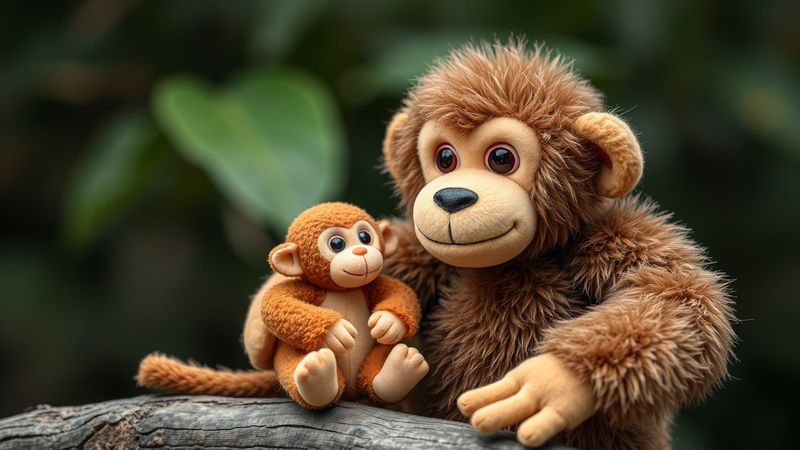
The Anomaly That Changes Everything: Meet Punch-kun
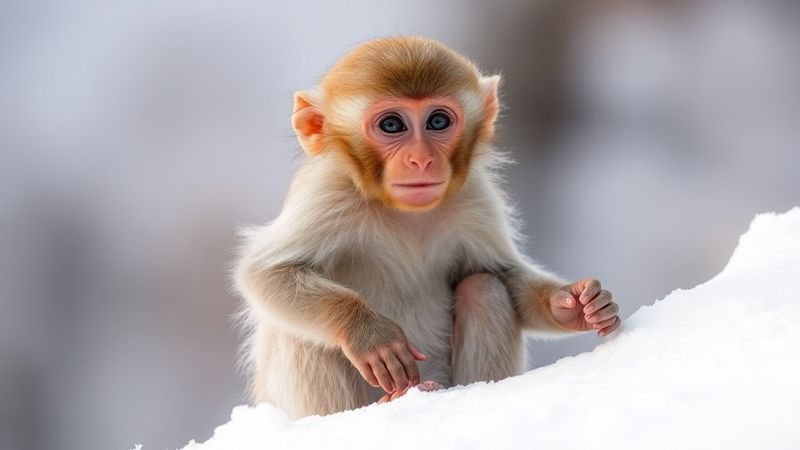
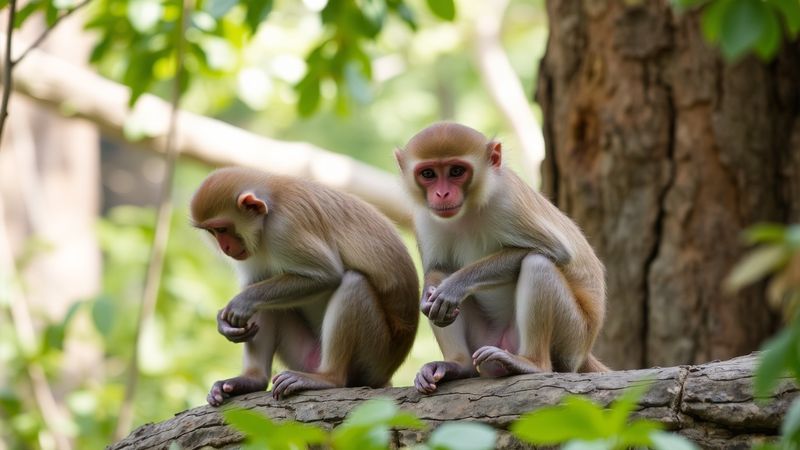
In July 2025, a Japanese macaque was born at the Ichikawa City Zoo. They named him Punch-kun. And from day one, he faced the ultimate test of the “natural parenting” dogma: his mother abandoned him.
Game over, right?
According to the old playbook, his fate was sealed. Isolation. Anxiety. A lifetime of struggling to connect.
The zoo staff did what any caring team would do. They hand-raised him. They fed him from a bottle. They introduced him to his troop on Monkey Mountain in January 2026. And… he struggled. He showed, as reported, "signs of anxiety and isolation."
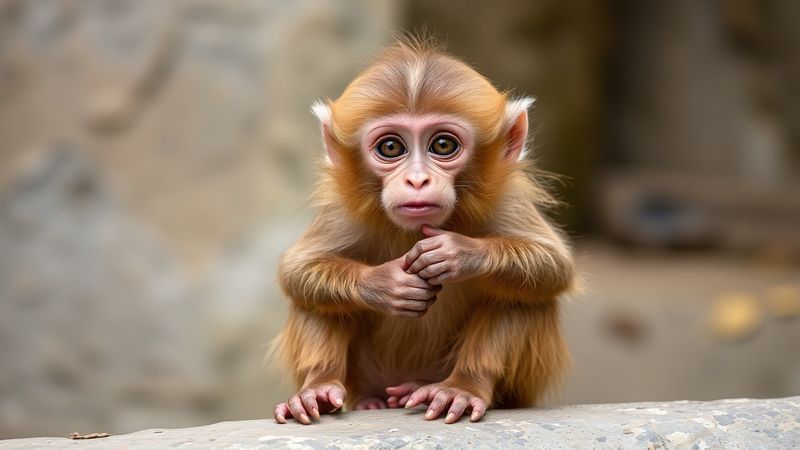
The natural parenting advocates would nod sadly. *See?* Without mom, it’s impossible.
But then something revolutionary happened.
The zoo didn’t give up. They didn’t accept the dogma.
They introduced a variable so absurdly simple it was almost laughable...
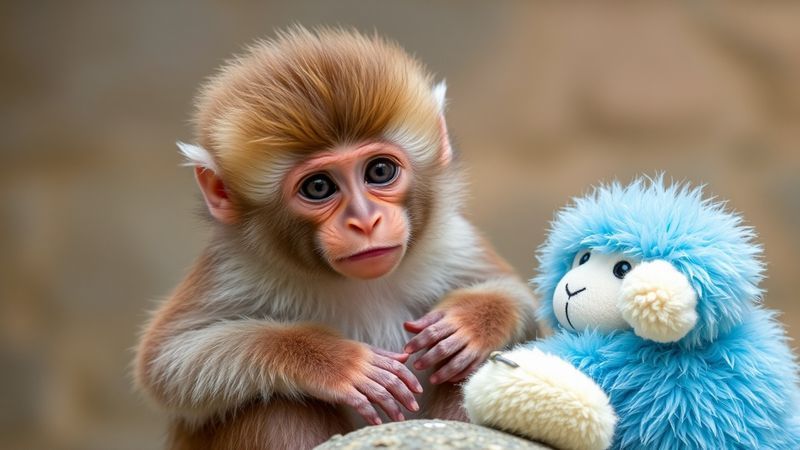
They gave him a stuffed toy.
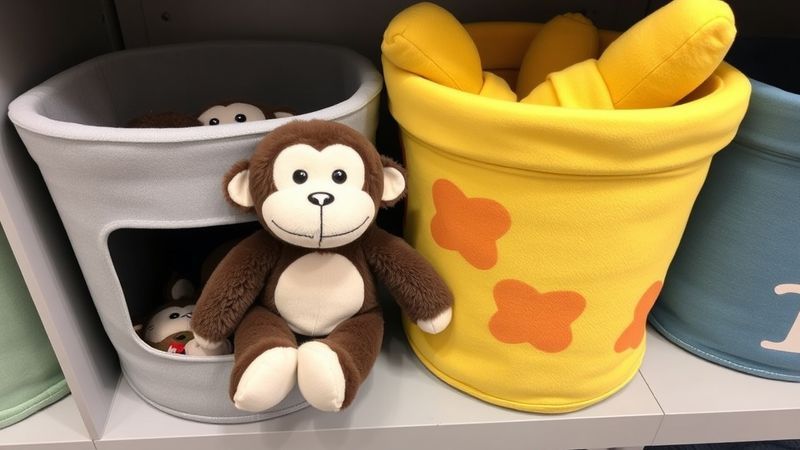
Not just any toy. A big, floppy, orangutan-shaped IKEA plushie named Djungelskog.
And the world watched in real-time as the “impossible” unfolded.
The Transformation That Went Viral: From "Anxious" to "Outgoing"
Punch-kun didn’t just play with this toy.
He *clung* to it. He treated it as a surrogate mother.
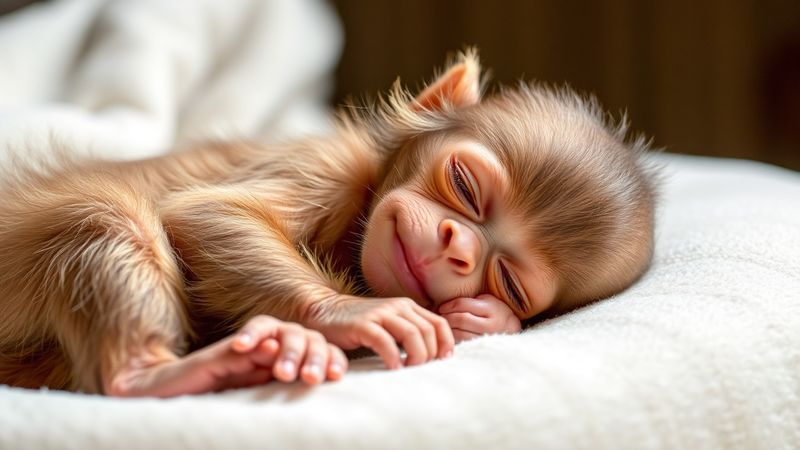
He found in its soft, silent presence a source of security the living world had failed to provide.
And the change was instant and dramatic.
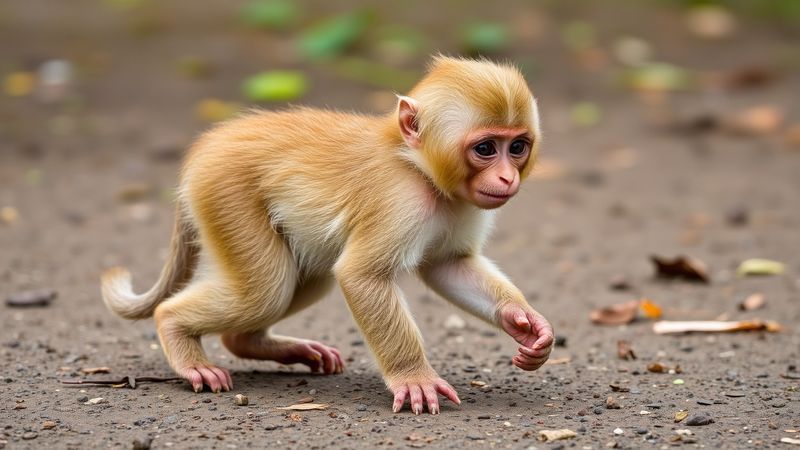
The same monkey who showed “signs of anxiety and isolation” was now described by the head of the zoo, Takashi Yasunaga, as “very outgoing.”
Let that sink in...
The variable wasn’t a new drug, an intensive therapy regimen, or a substitute live mother. It was a mass-produced plush animal.
The proof wasn’t just in the keeper’s logs: it was in the global reaction.
When the zoo shared his story online in February 2026, it detonated. #HangInTherePunch trended worldwide. The plushie itself became a celebrity, nicknamed “Oran-Mama.”
And then came the most undeniable metric of all: foot traffic.
Unprecedented lines of curious spectators formed outside the Ichikawa City Zoo.
The surge was so massive the zoo had to *apologize* for entry delays.
IKEA even took notice, visiting to donate 33 more stuffed toys.
The people voted with their visits. They saw what the experts were missing.
They saw a happy, social monkey.
A monkey raised by a toy.
The Science of Simplicity: Why Predictability Beats Biology
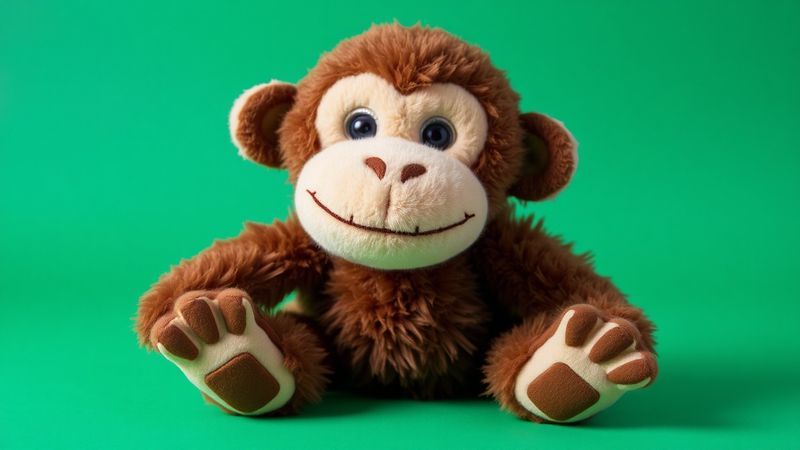
Here’s the uncomfortable truth the natural parenting crowd doesn’t want you to hear.
A living mother is a *variable*. She can be stressed, disinterested, inexperienced, or hostile. Her attention wanes. Her patience runs out. She is, like all living things, imperfect and unpredictable.
But a plush mama?
It’s a constant.
It is always there. It never pushes him away. It never gets frustrated. It provides a non-judgmental, permanent base of security from which a young primate can explore the world.
This isn’t just speculation...
It’s foundational attachment theory. Psychologist John Bowlby called it a “secure base.” The child needs a reliable source of comfort to venture out and learn social skills. Punch-kun’s biological mother was an *insecure* base. His plush mama became a *secure* one.
With his anxiety managed by the constant presence of Oran-Mama, Punch-kun was freed up to do the work of socialization. He could observe the troop. He could attempt interactions. He could learn monkey etiquette without the paralyzing fear of having nowhere safe to retreat.
The plushie didn’t teach him *how* to be a macaque.
It gave him the emotional stability to teach himself.
And that’s the breakthrough.
We’ve been obsessed with the *agent* of care (the mother) when the real lever is the *outcome* of care (a sense of security). Punch-kun proves the agent can be shockingly simple if it reliably delivers the much needed outcome.
Addressing the Outrage: "But It’s Not Natural!"
I can hear the objections now...
“It’s a sad substitute!” “It’s artificial!” “Nothing replaces a real mother!”

To which I say: Look at the results.
Was Punch-kun “sad”? The videos show a playful, curious monkey, snuggled contentedly with his toy. Was he “maladjusted”? The head keeper called him “mentally strong,” and the zoo director called him “outgoing.”
What’s the goal here?
Is the goal to check a box labeled “natural,” even if the outcome is poorer well-being?
Or is the goal a healthy, integrated, happy monkey?
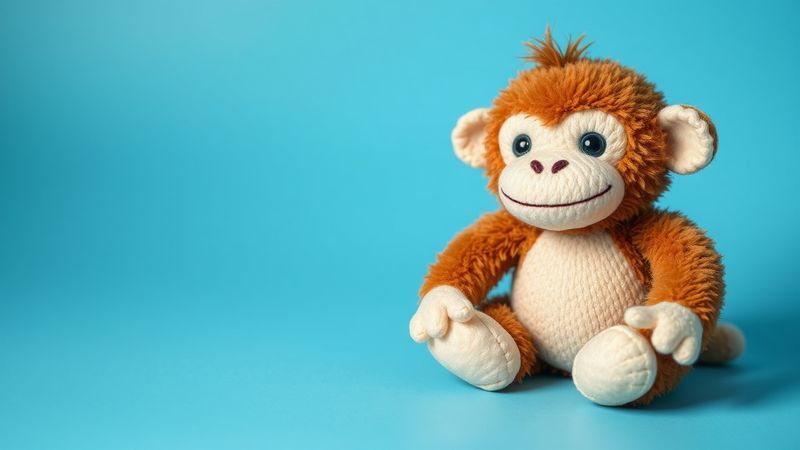
This isn’t about replacing mothers when they are present and capable.
Why force an animal to suffer through anxiety and isolation to satisfy our romantic notions of nature, when a simple, ethical, and proven solution exists?
The Call to Action: Are Zoos Listening?
The story of Punch-kun isn’t just a cute viral moment.
It’s a case study. A blueprint.
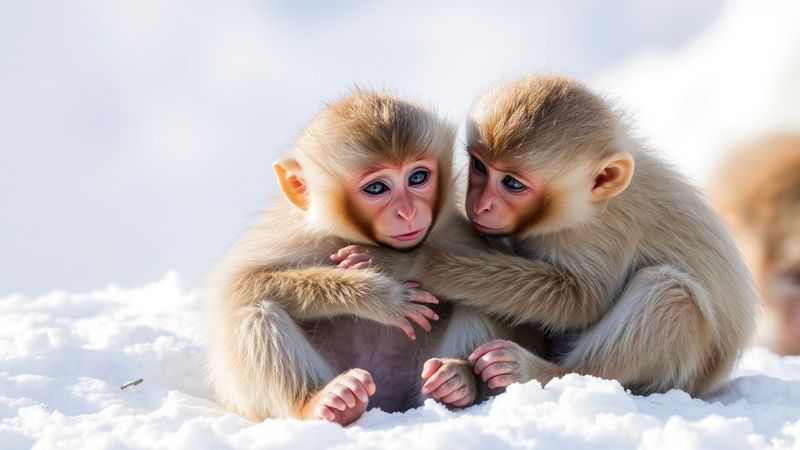
It demonstrates that for orphaned, rejected, or struggling young primates, the path to socialization and happiness may not require complex, resource-intensive surrogate programs. It may require a soft, huggable object that provides constant security.
So here is the urgent question for every zoo, sanctuary, and animal care facility on the planet:
Are you measuring your methods by ideology or by outcome?
Punch-kun’s measurable outcomes are:
- reduced observable anxiety
- successful troop integration
- and a positive shift in demeanor.
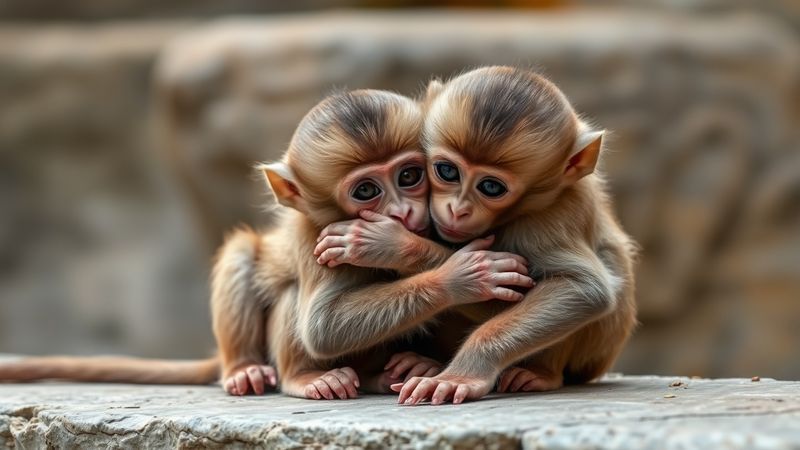
All catalyzed by a stuffed toy.
The cost? Negligible. The risk? Minimal. The potential upside? A fundamental improvement in the life of a vulnerable animal.
IKEA saw the opportunity and acted, donating dozens of plushies. They understood they weren’t just giving away toys; they were providing psychological first aid.
It’s time for the zoological community to understand the same.
Stop viewing tools like plush surrogates as novelties or last resorts. Start viewing them as legitimate, evidence-backed instruments in your animal welfare toolkit.
The data point is named Punch-kun.
He is happier. He is more social. His story has captivated and educated millions.
And he did it with a plush monkey mama.

:max_bytes(150000):strip_icc():focal(749x0:751x2)/sophie-rain-only-fans-011326-e3b2bd4490944c9dadf908e6791abdf2.jpg)