This is Frank Kirland.
And I’m going to shoot straight with you.
If you’re running ads on Facebook right now, you’ve probably noticed something terrifying.
It feels like your ad account is broken.
Remember the "good ol' days"? You know, like three years ago?

You could throw up a mediocre ad, point it at a halfway decent audience, and for every $1 you put in, the machine would spit $4 or $5 back out. It was glorious. It felt like you had a license to print money.
You’d stick that little Facebook Pixel on your site, and boom! Facebook knew everything. Who bought, who added to cart, who just looked around. It was like having a psychic on your payroll.
Now?
Now it feels like you’re shoving money into a black hole. Your cost per acquisition is through the roof. Your tracking shows zero sales, but your Shopify dashboard shows five.
You’re sitting there thinking, "Did my ads suddenly get terrible overnight? Did I get stupid?"

No. You didn't.
Your ads aren't broken. The system you use to track them is.
Here’s the uncomfortable truth the gurus aren’t telling you:
The Browser Pixel is Dead.
And it didn't die of natural causes. It was murdered.
A couple of years ago, Apple released an update for the iPhone (iOS 14.5) that basically asked every user: "Hey, do you want to let this app follow you around the internet, or would you like to block them?"
Guess what 90% of people clicked?
Yeah. Block.
And just like that, the signal between your website and Facebook’s ad algorithm got cut.
Before, when someone clicked your ad and bought your $100 widget, the Pixel would raise its hand and say, "Hey Zuck, Person X just bought the thing!" Facebook would take that win, find more people like Person X, and your ads would get smarter.
Now?
The user clicks, they buy, and your Pixel is trying to raise its hand, but Apple is standing there slapping it down.
Facebook has no idea the sale happened.
So the algorithm thinks, "Well, that ad sucked. Let's try showing it to someone else who won't buy."
You are literally paying Facebook to make your ads perform worse.
The Billion-Dollar "Back Door"
Facebook isn't stupid. They knew this was coming.
Their entire trillion-dollar business model depends on knowing what people do on your website.
So, while everyone was freaking out about the Pixel dying, Facebook quietly built a back door. A way to get the data that Apple and the ad-blockers couldn't touch.
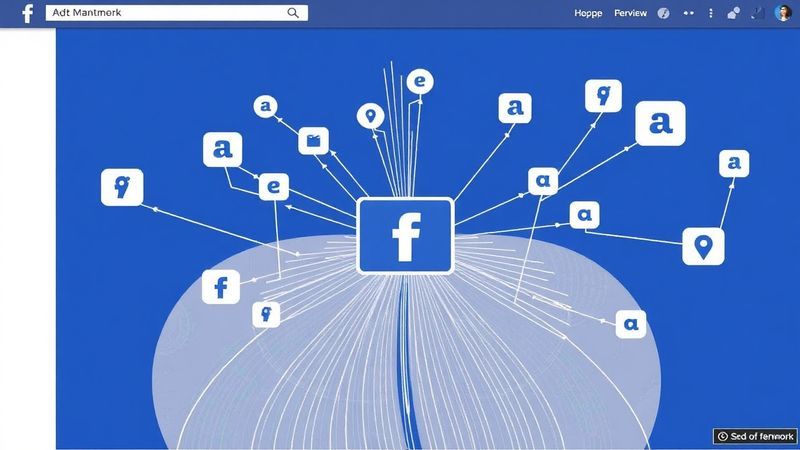
They call it the Conversions API, or CAPI for short.
Sounds boring and technical, right? That's on purpose. It keeps the amateurs away.
Here’s the simplest way to understand it:
- Think of the old Pixel like sending a postcard through the mail. Anyone handling it can read it. Apple can see it, crinkle it up, and throw it in the trash before it gets to Facebook.
- CAPI is like sending a certified, sealed letter via armored courier directly from your server to Facebook’s headquarters.
- It doesn’t rely on the user’s browser. It doesn't care if they have an iPhone. It doesn't care if they're using an ad blocker.

The transaction happens on your website, and your server quietly whispers the truth directly into Facebook's ear.
The result?
Facebook sees the sales you’re actually making.
Your ad tracking starts matching your bank account again.
The algorithm gets the data it needs to find you profitable customers.

Your ROAS goes back up.
So, Why Isn't Everyone Using This?
Simple. Because Facebook made it hard.
If you go look at their documentation for setting up CAPI, it looks like instructions for building a nuclear reactor. You need a developer. You need a server. You need to understand code.
For the average business owner, it’s a nightmare.
The big guys—the brands spending $100k a month—they have whole teams setting this stuff up. They're using CAPI right now, and they're eating your lunch because their data is better than yours.
But what about the rest of us?
I got tired of seeing good businesses get crushed just because they aren't tech wizards.
So, my team (The Internet Mafia) and I built something.
We called it Phantom Tunnel.
The "Easy Button" for CAPI Phantom Tunnel is exactly what it sounds like.
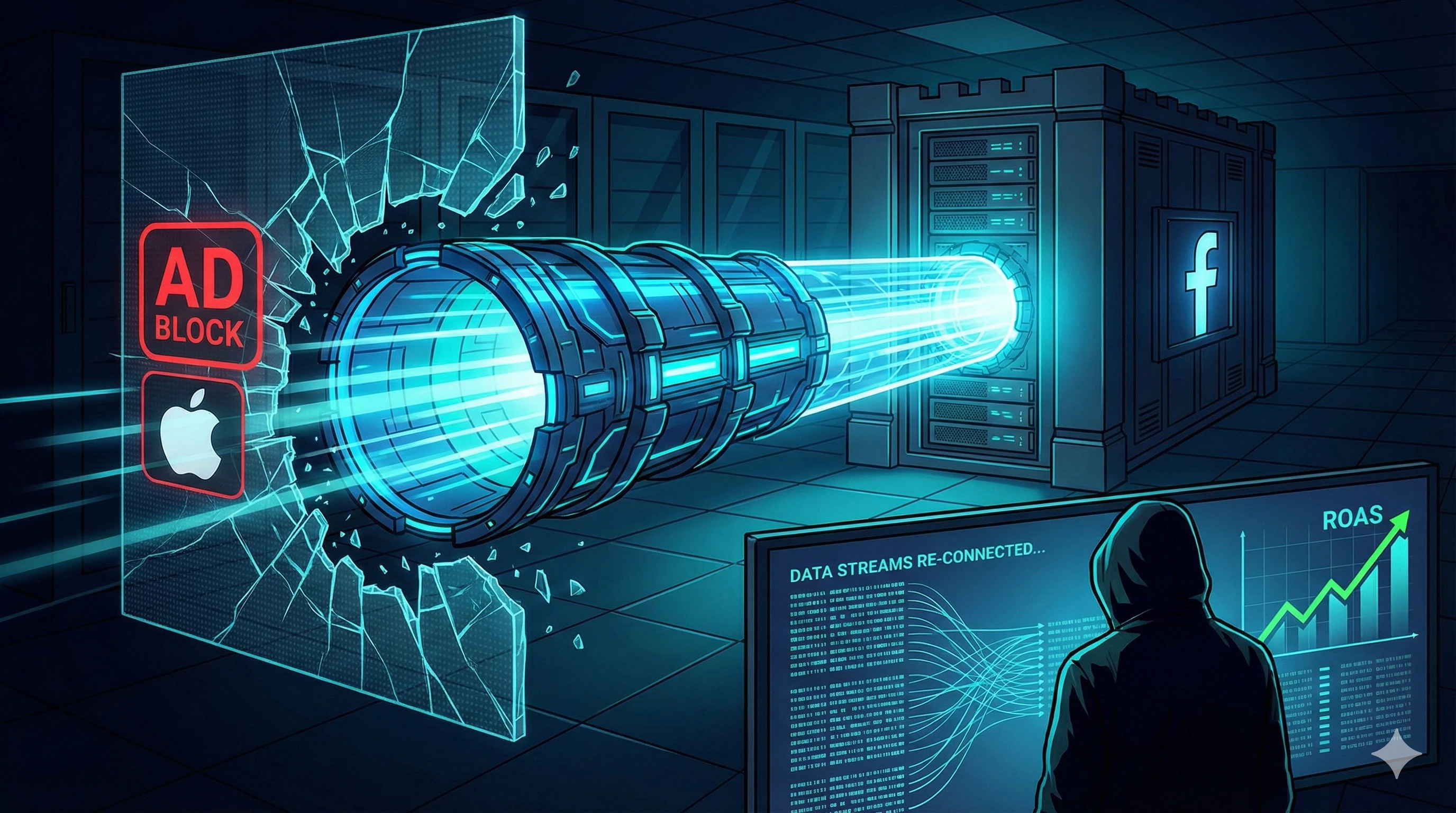
It creates a secure, invisible tunnel from your website directly to Facebook (and TikTok, too). It bypasses the browsers, the ad blockers, and Apple's nosy rules.
It takes that "armored courier" concept and turns it into a plug-and-play solution.
You don't need to hire a developer.
You don't need to know how to code. You don't need to set up a server.
We handle all the heavy lifting on our private, high-speed edge network.
You just install a simple piece of code on your site (easier than installing the old Pixel), and that's it.
The Phantom wakes up, starts watching your traffic, and begins funneling clean, accurate purchase data directly to your ad platforms.
Suddenly, the lights turn back on. You aren't flying blind anymore.
Listen, you can keep doing things the old way. You can keep trusting a broken Pixel and wondering why your ads aren't working. You can keep letting Apple dictate your profits.
Or, you can open a Phantom Tunnel and take back control of your data.
It’s your business. It’s your money.
Stop bleeding cash.
Click here to see how Phantom Tunnel works and get your data back.
Talk soon, Frank