The Crypto Wallet Secret No One Tells New Investors: Why Your Keys Are the Only Keys to Your Kingdom
You’ve just bought your first Bitcoin. You’re feeling good. You’re on the rocket ship. The future is digital, and you’ve got your boarding pass. You buy your crypto on a big, fancy, well-known exchange. It feels safe. It feels easy.
But I have a critical question for you: Do you actually own your crypto right now, or are you just renting it from a third party who can lock the doors anytime they want?

Let me be brutally, unflinchingly honest with you. The biggest secret they don’t want you to know is this: If you don’t control your keys, you don’t own your crypto.
You’re playing by the old rules in a new world. You’ve just moved a fortune into a digital vault, but you’ve left the only set of keys with a stranger. This isn’t a secret for the rich. It’s the most fundamental rule of crypto. Let’s fix that.
The Illusion of Security: Your Coins in a Stranger’s Pocket
You trust exchanges. You trust the apps on your phone. They have friendly logos, slick websites, and a million users. You’re told it’s “secure.”

But let’s get real.
When you leave your crypto on an exchange, it’s not in your account. It’s in *their* account. You’re looking at an IOU on a screen. They have the keys, the wallets, the power. You have a username and password.
Remember Mt. Gox? Billions in user funds, gone. Remember FTX? Billions more, gone. Every month, there’s a new headline: “Hack,” “Insolvency,” “Regulatory Seizure.”
Your exchange account is a ticking time bomb of counterparty risk. It’s a shared secret that the crypto old-timers know: Not your keys, not your coins.
The "Cold, Hard" Truth They Don't Teach Beginners
The "secret" is not a feature. It’s not a new token. It’s a principle so simple and ancient it's boring: Self-Custody.
A self-custody wallet is a wallet where you, and only you, hold the private keys. It’s the difference between renting a house (using an exchange wallet) and owning the land and the deed (using a self-custody wallet).

Think of it this way: an exchange is a bank. A hardware wallet is your own personal, unbreachable safe.
Here’s the breakdown:
- Exchange/Wallet Service (e.g., Coinbase, Binance Wallet): They hold your private keys. They have your crypto. You have a login. If they freeze your account, get hacked, or go bankrupt, your funds are at their mercy.
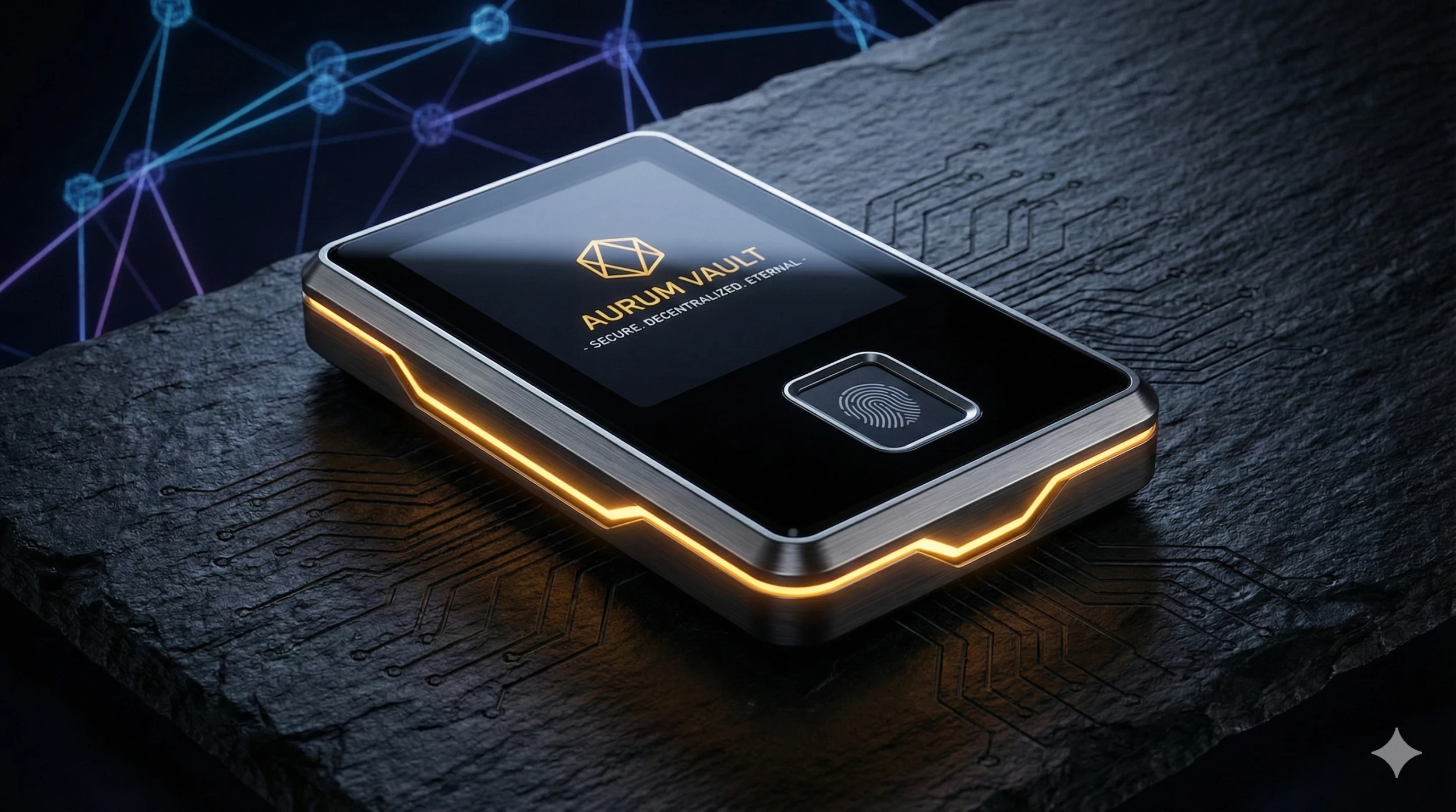
- Self-Custody Wallet (e.g., hardware wallet like Ledger, Trezor, or a software wallet like MetaMask): You hold the keys. 12 or 24 random words—your seed phrase—are the only keys to your crypto kingdom. Not a bank, not a CEO, not a hacker can touch your funds without that phrase.

The “secret” is that self-custody is the only path to true, sovereign ownership. Everything else is just a promise from a middleman.
The Self-Custody Survival Guide: Your New Mantra
"My keys, my crypto. Not my keys, not my crypto."
1. The Hardware Fort Knox: Forget software wallets on your virus-laden laptop. For significant holdings, a hardware wallet is non-negotiable. A Ledger or Trezor is a $100 device that keeps your private keys in a secure, offline environment. Your keys *never* leave the device. You sign transactions offline. Hackers can’t touch it unless they physically have it and your PIN.

2. The 24 Words of Immense Power: This is the "secret" that unlocks everything. Your seed phrase (12 or 24 words) is your master key. Write it down on steel (not paper!), never photograph it, never type it anywhere but the wallet device itself. This phrase IS your crypto. Losing it means losing everything, forever. Guard it like your life depends on it. Because your financial life does.
3. From "HODLer" to Sovereign: The moment you move your coins off an exchange into your own wallet, you transform. You’re not a customer of a crypto bank. You are the bank. You are the sole signatory. No one can censor your transactions. No one can lock your account. You are your own central bank.
The FUD Slayer: Debunking the Self-Custody "Risks"

"But what if I lose my seed phrase?" you ask. Yes, you will lose it all. That’s the responsibility. You wouldn’t throw your house deed in the trash, would you?
"What if I die?" You write the seed phrase down and leave instructions in your will, or use a multi-sig wallet with trusted family members.
This isn’t a flaw. This is the point. It’s not the bank’s problem anymore. It’s yours. That’s freedom.

The Halbert Hard Sell
Look, I’m not your dad or your financial advisor. But I’m telling you as a friend who’s seen too many people get rekt: the party on the exchange is fun until the music stops. The government, a hack, an internal rug pull… the risks are real and documented.
You didn’t get into crypto to give your power to a new version of the old, broken system. You got in to be your own boss, to be un-censorable, to be free.

Self-custody is the ultimate expression of that. It’s not the easy path. It’s the right path.
The takeaway is simple: Stop trusting. Start owning. Buy a hardware wallet. Write down your seed phrase on metal. Get your coins off the exchange.
It’s not just a good practice. It’s the whole point.